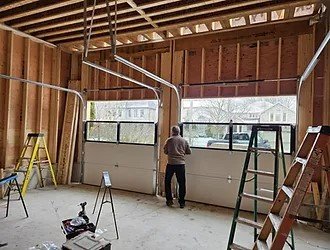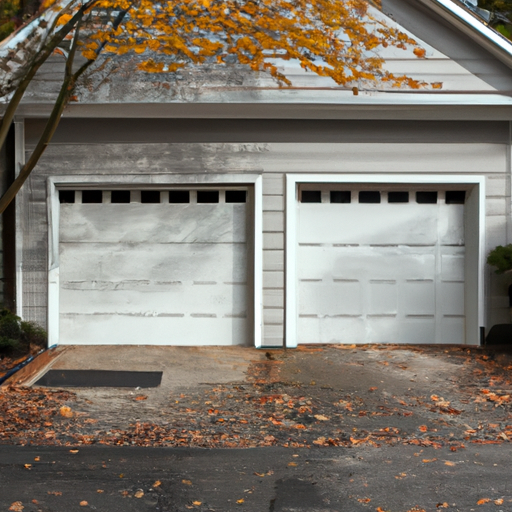
Homeowners in Framingham, MA know New England weather strains equipment. A proactive seasonal checklist keeps your garage doors working and reduces the need for emergency garage door repair. This guide explains practical checks, simple fixes you can do safely, and when to call a technician.
Why seasonal maintenance matters for garage door repair
Garage doors are heavy, moving parts that face snow, salt, humidity, and heat through the year. Neglected rollers, worn springs, and misaligned openers lead to sudden failures and higher repair bills. Regular seasonal maintenance trims long-term costs and increases safety for your family and vehicles.
What to expect from a seasonal check
- Visual inspection of panels, tracks, and hardware for rust, dents, and gaps.
- Lubrication of bearings, rollers, and springs with manufacturer-specified products.
- Balance and safety reversal tests on the opener to confirm proper operation.
- Weather seal inspection to prevent drafts and moisture in winter and spring.
These steps reduce the frequency of urgent garage door repair calls and extend the life of your system. For more detailed seasonal how-tos and checklists, see our blog for local articles and photos.
Seasonal tasks — winter, spring, summer, fall
Winter: protect against cold and ice
In Framingham, freezing temperatures and road salt are the biggest threats. Before the first hard freeze:
- Inspect and replace cracked bottom seals to keep out drafts and melting snow.
- Check exposed springs and cables for corrosion; rust speeds failure and increases the chance of breakage requiring immediate garage door repair.
- Clear tracks and drains near the garage door to prevent ice dams that jam the door.
- Test the auto-reverse feature on the opener — cold can affect sensors and electronics.
Spring: clean, lubricate, and adjust
Spring thaw gives a chance to remove winter grime. Key actions:
- Clean tracks and wipe down panels to remove salt and road film.
- Lubricate rollers, hinges, and springs with a lightweight garage-door lubricant (not WD-40 type solvents).
- Inspect weatherstripping and replace if compressed or brittle to keep humidity and pests out.
Summer: check opener and balance
Higher temperatures can affect springs and openers. Summer checks include:
- Run balance tests: disconnect the opener and manually move the door halfway; it should hold in place. If not, a spring adjustment or replacement is likely needed — a common reason for garage door repair service calls.
- Inspect the opener’s motor and chain or belt drive for wear; tighten or replace components per manufacturer guidance.
Fall: prepare for snow and storms
Before the first big storm:
- Tighten loose hardware and check track alignment to prevent jams when temperatures drop.
- Replace weak springs proactively if they are visible worn — they lose tension with cycles and cold accelerates wear.
- Consider a professional tune-up to avoid emergency garage door repair on icy mornings.
DIY checks vs. when to call a pro
Homeowners can handle visual inspections, basic lubrication, and weatherstrip replacement. However, several repairs should always be left to trained technicians because they involve stored energy and safety risks.
- Leave spring adjustments, cable replacements, and major opener work to certified technicians — improper handling risks property damage and injury.
- If you hear grinding, metal-on-metal sounds, or see significant sagging, schedule professional service quickly to avoid collateral damage that raises the cost of garage door repair.
- Use our professional services for balanced maintenance and parts replacement. Learn more about our offerings on the services page.
Tips for safe DIY maintenance
- Disconnect power before touching the opener or sensors.
- Use a ladder on solid ground and close the door before working on tracks or seals.
- Replace small clips and screws with like-for-like parts to keep balance and alignment.
Costs, timing, and warranties — local guidance
Typical preventative maintenance calls in Framingham are faster and less costly than emergency repairs. A basic seasonal tune-up often avoids more expensive garage door repair later.
- Routine maintenance visits usually take 45–90 minutes and include inspection, lubrication, and minor adjustments.
- Pricing varies with door type and condition; expect different estimates for single vs. double doors, and for torsion vs. extension spring systems.
- When you hire a professional, ask about part and labor warranties; reputable local contractors offer limited warranties on springs and new openers.
Ready to schedule a seasonal inspection or discuss a repair timeline? Contact our Framingham team for a clear estimate and same-week availability in many cases. Use our contact page to request service or ask scheduling questions.
Quick seasonal checklist for Framingham homeowners
- Inspect panels and weather seals each season.
- Lubricate moving parts twice a year: spring and fall.
- Test safety sensors and auto-reverse monthly.
- Keep the area around the tracks clear of debris and salt build-up.
- Schedule a professional inspection annually to reduce the need for reactive garage door repair.
Seasonal attention means fewer surprises and better long-term performance for your residential garage doors. If you notice any sudden issues, early action prevents bigger expenses.
For ongoing tips, project photos, and seasonal reminders, visit our blog or reach out via the contact page. Whether it’s routine maintenance or urgent garage door repair, local technicians can assess the situation and recommend an efficient solution.
Frequently Asked Questions — Local
Q: How does Framingham winter weather affect garage door springs?
A: Cold temperatures make metal more brittle and reduce spring tension. That increases the chance of breakage. If your springs are over five years old or show heavy rust, schedule a pre-winter inspection to avoid an emergency garage door repair on a freezing morning.
Q: How long does a typical seasonal maintenance visit take in Framingham?
A: Most seasonal maintenance or tune-ups take 45–90 minutes for a single-family home. Technicians perform lubrication, safety tests, and a visual inspection; if parts need replacement, they’ll provide a written estimate the same day.
Q: What price range should I expect for common repairs locally?
A: Minor repairs like sensor adjustments and lubrication often run under a few hundred dollars. Spring replacements and opener rebuilds are higher—typically several hundred to over a thousand depending on parts and door size. We provide transparent estimates before any work.
Q: Do garage door repairs require permits in Framingham, MA?
A: Most repair and maintenance tasks do not require city permits. Major door replacements or structural changes to the garage opening may need permits. If a permit is required, your contractor can advise and help with local code compliance.
Q: Are parts and labor covered by a warranty for residential service?
A: Reputable local companies typically offer limited warranties on parts like springs and openers, and short-term labor warranties. Ask your provider for written warranty terms before work begins.
Helpful local resources in Framingham, MA
- Garage Door Repair Boston
- Garage Door Repair Cambridge
- Garage Door Repair Newton
- Garage Door Repair Lexington
- Garage Door Repair Wellesley
- Garage Door Repair Brookline
- Garage Door Repair Somerville
- Garage Door Repair Burlington
- Garage Door Repair Andover
- Garage Door Repair Weston
- Garage Door Repair Belmont
- Garage Door Repair Westwood
- Garage Door Repair Sharon
- Garage Door Repair Needham
- Garage Door Repair Concord
- Garage Door Repair Hingham
- Garage Door Repair Scituate
- Garage Door Repair Marblehead
- Garage Door Repair Natick
- Garage Door Repair Milton
- Garage Door Repair Acton
- Garage Door Repair Medfield
- Garage Door Repair Sudbury
- Garage Door Repair Wayland
- Garage Door Repair Hanover
- Garage Door Repair Tewksbury
- Garage Door Repair Carlisle
- Garage Door Repair Dover
- Garage Door Repair Hopkinton
- Garage Door Repair Framingham