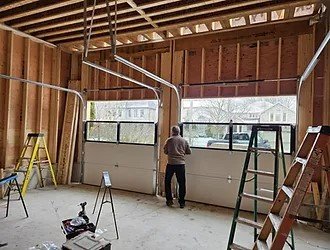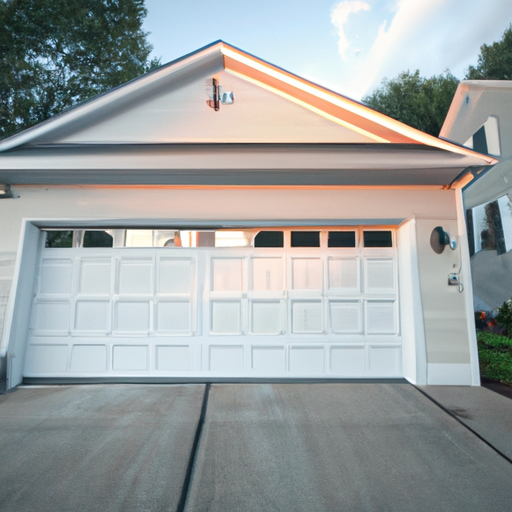
Homeowners in Framingham, MA face cold winters and spring humidity that accelerate wear on moving hardware. If you’re planning a garage door replacement, understanding when to replace parts — rather than the entire door — saves time and keeps your project on budget. This guide explains the common signs, timelines, and decisions specific to our local climate and building practices.
Why part-level decisions matter for garage door replacement
Replacing an entire system is more costly than targeted repairs, but worn or incompatible parts can undermine a new door’s performance. A clear plan for garage door replacement helps Framingham homeowners balance durability, safety, and cost. For readers wanting ongoing tips and examples from recent jobs, see our blog for local case studies and seasonal checklists.
Common parts to consider replacing and when
Below are the parts most commonly replaced during a garage door replacement project, with local factors that affect lifespan and timing.
Springs
Torsion and extension springs are under constant tension and are the most common safety concern in any garage door replacement. In Framingham’s climate, salt, humidity, and temperature swings accelerate corrosion. Replace springs when you notice:
- Visible gaps or breaks in a coil, or a door that won’t stay open.
- Signs of rust along the spring length or anchor points.
- Age: standard springs rated for 10,000 cycles often last 5–7 years with daily use; if yours approach that, plan replacement during a door upgrade.
Rollers and tracks
Rollers and tracks guide the door and affect noise and smoothness. Nylon rollers last longer than steel and run quieter, but tracks that are bent or pitted must be replaced. Consider new rollers when you hear grinding, see visible wobble, or when periodic lubrication does not restore smooth motion.
Cables and drums
Cables fray and drums wear — small frays can turn into sudden failure. Replace cables during any major garage door replacement if there’s visible wear or if the cables are older than seven years. Replacing drum hardware at the same time avoids alignment problems and keeps the new door balanced.
Openers and electronics
Smart openers and safety sensors are now standard on most residential service upgrades. If you’re getting a new door panel set or track, evaluate the opener’s capacity and features. Replace an underpowered opener or one missing modern safety features (photo-eyes, rolling-code remotes) during a garage door replacement to meet current codes and home insurance expectations.
Assessing condition: quick checks for homeowners
Before scheduling a full replacement, do a few inexpensive checks to decide which parts to replace now and which to defer.
- Visual inspection: look for rust, bends, frays, and broken components.
- Balance test: disconnect the opener and lift the door halfway; a balanced door stays in place — if it drifts, springs or cables need attention.
- Noise test: open and close the door; diagnose squeaks or grinding. New rollers or lubrication can help short-term, but persistent noise often signals replacement parts are due.
- Opener capacity: check the opener label for horsepower; oversized modern doors or heavier insulated panels may require a stronger opener.
Timing and coordination with a full garage door replacement
Scheduling matters. Coordinating part replacement with a full garage door replacement reduces duplication of labor and prevents early failures. Consider these timing tips:
- Bundle spring and cable replacement with new panels to ensure proper balance and alignment.
- Install new rollers and tracks when swapping heavy insulated doors to avoid premature wear.
- Upgrade the opener and sensors at the same time if your new door changes weight or safety needs — this prevents callbacks and may be required for warranty coverage.
When in doubt, a professional evaluation during the planning stage of a garage door replacement helps create a realistic scope and budget. Our services team can inspect your setup and recommend which parts to replace now versus later; learn more on our services page.
Cost considerations and local pricing ranges
Homeowners in Framingham often ask whether to replace parts or the entire door. Typical local price ranges for parts (labor not included) are:
- Springs: $100–$300 per spring depending on type and cycle rating.
- Rollers: $50–$200 for a set, depending on material and quality.
- Cables and drums: $75–$200 for a pair of cables and drums.
- Opener upgrade: $300–$800 for modern belt-drive openers with smart features.
These ranges vary with part quality, brand, and whether you choose heavier-duty components for longer life in New England weather. A full garage door replacement — panels, hardware, and installation — will be higher but can be more cost-effective over the long term when multiple parts are worn.
Warranty, permits, and safety in Massachusetts
MA has local building rules and safety expectations. For most residential garage door replacement projects, permits are not required for routine repairs, but larger electrical or structural changes might need town approval. Always check with Framingham’s building department if you plan to alter structural supports or electrical connections.
Warranties differ by component: springs and hardware often come with shorter warranties than panels. If you replace a single part during a garage door replacement, confirm how that affects your door manufacturer’s warranty on panels or finishes.
DIY vs. professional residential service
Some homeowners can change rollers or lubricate tracks, but springs and cables are dangerous to handle. For safety and code compliance, hire a licensed residential service for spring changes, cable repairs, and opener installation. Professional technicians bring specialized tools and local experience, minimizing callbacks and safety risks.
To schedule an inspection and get a clear estimate for part replacements or a full garage door replacement, contact our team through the easy online form or call to book a local visit. For direct scheduling, use our contact page.
Practical checklist for your Framingham project
- Inspect and photograph current hardware and opener.
- Decide whether to upgrade to insulated panels (adds weight; plan for stronger springs/opener).
- Replace springs and cables together when in doubt.
- Choose nylon rollers for quieter operation in residential settings.
- Bundle opener replacement with door installation to ensure compatibility and warranty coverage.
With the right approach, a targeted parts replacement during a garage door replacement can extend the life of your system and keep your home secure and energy-efficient through Framingham’s seasons.
Need a local inspection or estimate? Our technicians handle spring, roller, cable, and opener replacements alongside full door installs. Call for same-week scheduling.
Frequently Asked Questions
Q: How does Framingham winter weather affect spring life?
A: Cold snaps make metal springs brittle and increase tension changes; if your springs are more than five years old and you notice slow operation in winter, plan replacement before spring thaw to avoid a mid-season failure.
Q: Can I replace just the opener when I do a garage door replacement?
A: Yes, but match the opener capacity to the door weight. For insulated or heavier panels common in local upgrades, choose a higher-horsepower unit and confirm compatibility with your new door for smooth operation and warranty compliance.
Q: What timeline should I expect for part replacements during a full door install?
A: A standard residential service visit to swap springs, cables, rollers, and install an opener usually takes 2–6 hours. A full garage door replacement (panels, hardware, opener) is typically a one-day job for a standard single or double door.
Q: Are there permit requirements in Framingham for garage door replacement?
A: Routine hardware or panel replacement generally doesn’t need a permit. Structural changes or electrical modifications might. Check with Framingham Building Department or ask your installer to confirm before starting work.
Q: What warranty should I expect on replaced parts?
A: Warranties vary: springs and hardware often carry limited warranties (1–5 years), while openers and panels can have longer coverage. Always get written warranty terms for parts and labor with any garage door replacement project.
Helpful local resources in Framingham, MA
- Garage Door Repair Boston
- Garage Door Repair Cambridge
- Garage Door Repair Newton
- Garage Door Repair Lexington
- Garage Door Repair Wellesley
- Garage Door Repair Brookline
- Garage Door Repair Somerville
- Garage Door Repair Burlington
- Garage Door Repair Andover
- Garage Door Repair Weston
- Garage Door Repair Belmont
- Garage Door Repair Westwood
- Garage Door Repair Sharon
- Garage Door Repair Needham
- Garage Door Repair Concord
- Garage Door Repair Hingham
- Garage Door Repair Scituate
- Garage Door Repair Marblehead
- Garage Door Repair Natick
- Garage Door Repair Milton
- Garage Door Repair Acton
- Garage Door Repair Medfield
- Garage Door Repair Sudbury
- Garage Door Repair Wayland
- Garage Door Repair Hanover
- Garage Door Repair Tewksbury
- Garage Door Repair Carlisle
- Garage Door Repair Dover
- Garage Door Repair Hopkinton
- Garage Door Repair Framingham